
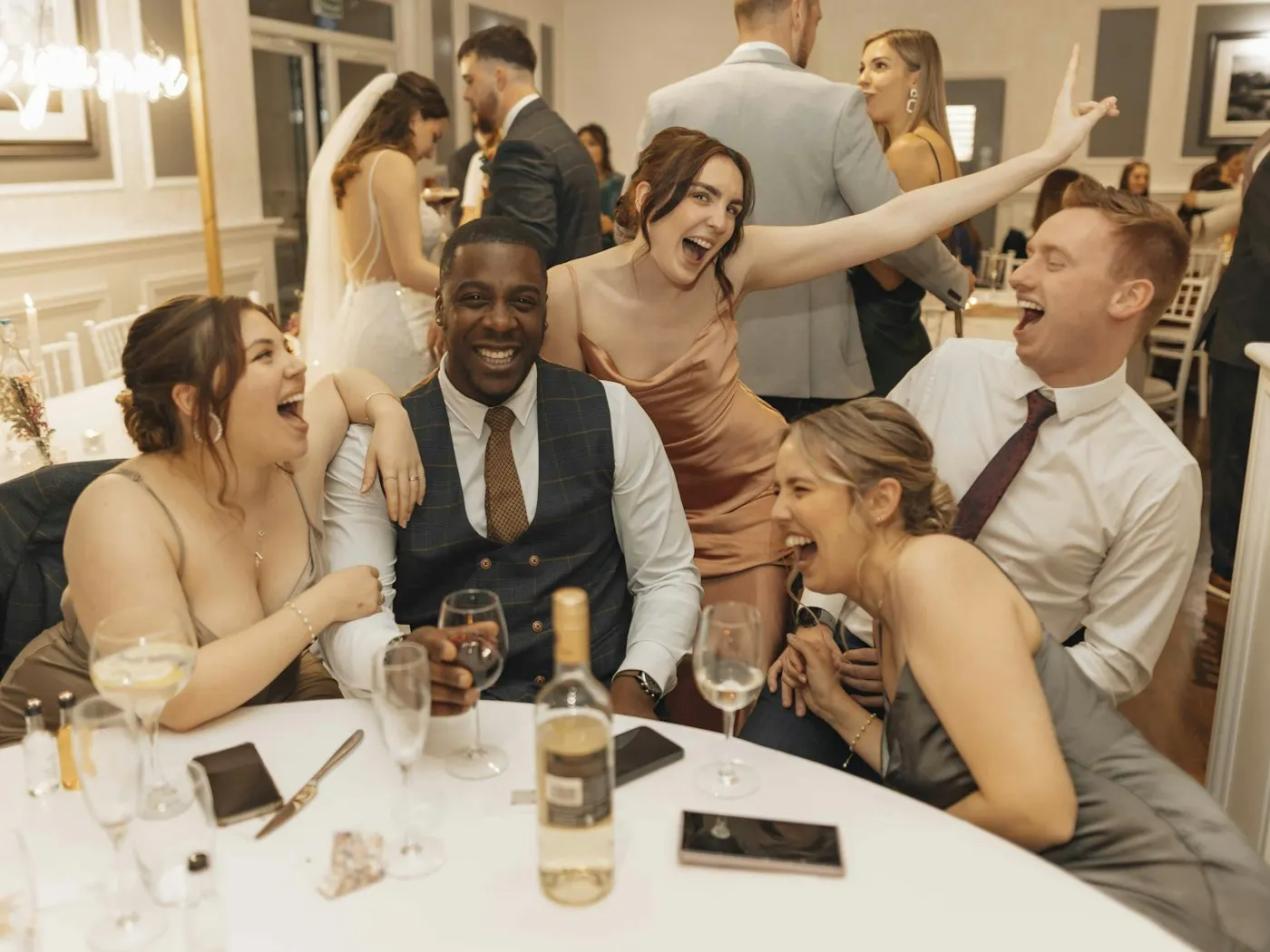
A wedding toast deserves an attentive room. Not a microphone that appears while half the guests are at the buffet, not an introduction shouted over clearing plates, and not a speaker wondering whether they are supposed to stand up yet.
As the DJ and MC, my job is to give those words a good place to land. That takes more than choosing who speaks first. You need a realistic time allowance, a clear handoff with catering, and a microphone plan that helps nervous people feel prepared.
Here is how I would build the toast portion of an Abilene reception without letting it take over the evening.
Decide the speaker list before the wedding
There is no mandatory order that works for every family. A welcome from a host, remarks from a parent, and toasts from close friends can all fit. Choose the people you want to hear from rather than filling roles because a template says you should.
Give the MC the final list, each person's preferred name and pronunciation, and their relationship to you. Note anyone sharing a toast or speaking from their seat. If a loved one needs an interpreter, captions, or a different microphone arrangement, discuss that in advance rather than treating it as a day-of surprise.
I recommend keeping the reception microphone off the open-mic circuit. Extra stories can have a place at the rehearsal dinner or in a private conversation. That protects your chosen speakers as much as it protects the schedule.
Plan the whole block, not just the speeches
Zola's wedding-toast guide recommends practicing with a timer and aiming for three to five minutes. That is a useful starting point, not a rule for every person. A brief welcome might take one minute; a longer cultural or family tradition needs its own agreed allowance.
For a compact reception block, my suggested target is two to three minutes per main speaker. Tell them that when you invite them to speak, not five minutes before the microphone arrives.
Here is an illustrative fifteen-minute block:
- One minute for the MC to settle the room and introduce the first speaker.
- Three speakers at three minutes each: nine minutes.
- Two minutes total for applause, walking, and microphone handoffs.
- One minute for a couple's thank-you, if you want one.
- Two minutes of breathing room.
That math is a planning example, not a promise that people speak on a stopwatch. It shows why three three-minute speeches do not fit into a nine-minute calendar slot.
Let dinner service help choose the moment
"During dinner" is not specific enough. During a buffet, people may be standing in line. During plated service, staff may be moving hot food through the room. Neither is the ideal time to ask everyone to turn toward a speaker.
Ask the catering lead for a window when guests are seated and service can briefly stay quiet without affecting food quality. Depending on your meal, that might be after the main course is served or after plates are cleared. The right answer comes from your caterer, not a universal wedding schedule.
Your photographer and videographer also need a heads-up. Before I introduce anyone, I want the camera team ready, the first speaker in position, and the couple actually in the room. For how the block fits into the rest of the night, use our reception timeline guide.
Give each speaker a two-minute microphone briefing
A short sound check takes away a surprising amount of uncertainty. Show the speaker where to stand, where to look, and how close to hold that particular microphone. Ask them to keep it near their mouth when they turn toward the couple; the room still needs to hear the sentence.
Paper notes are completely fine. If someone uses a phone, have the text ready, the screen readable, and notifications silenced. Do not assume memorization is a requirement for a heartfelt toast.
Keep speakers clear of the loudspeakers and let the DJ handle sound adjustments. If a person needs to remain seated, bring the microphone to them. The goal is clarity and comfort, not a performance test.
Agree on a kind way to handle overruns
Tell speakers beforehand that the MC will help them wrap up if needed. A discreet visual cue agreed in advance is kinder than surprising someone with loud music halfway through a memory.
If a toast runs long, the DJ and coordinator should reassess the next transition together. Do not make the couple choose between rushing dinner and upsetting a family member. Sometimes the easiest adjustment is shortening an unimportant gap later, while keeping contracted end times intact.
For the content itself, one clear story and a genuine wish usually land better than a lifetime biography. Ask speakers to leave out private information, stories about exes, and jokes that require the couple to grin through embarrassment.
End with a clear next step
After the final applause, guests should know whether they are returning to dinner, watching a dance, or joining you on the floor. That is the MC's handoff—not a silence everyone has to interpret.
Bring your proposed speaker list to a DJ consultation. We can talk through the order, timing, and transitions so your toasts feel personal, audible, and unhurried, without turning the rest of the reception into a race.
The Journal, Delivered
Planning a Big Country wedding? Get our best tips in your inbox.
No spam — just new Journal articles and booking-season reminders. Unsubscribe anytime.
Keep Reading
More from the Journal
 Music
MusicWest Texas Weather vs. Your Wedding: The Ultimate Outdoor Sound Strategy
 Music
Music Music
Music