
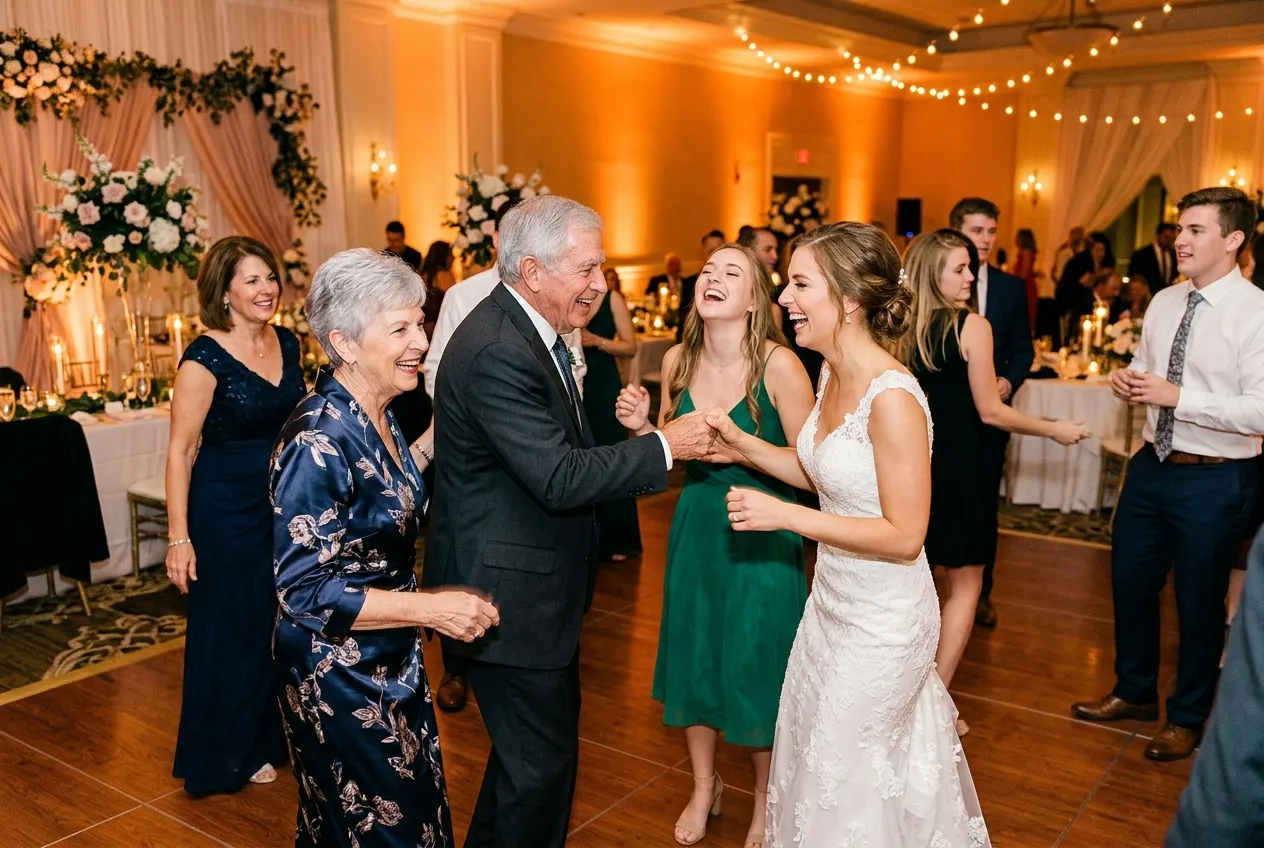
An invitation says you want someone there. An accessible wedding plan helps make that invitation possible to accept.
That starts well before deciding where to put a ramp or a quiet chair. It means finding out what your guests need, checking how the actual event will work, and making sure the answers reach the people setting up the room.
For couples planning in Abilene and the Big Country, beautiful spaces can range from landscaped outdoor settings to historic buildings and modern reception rooms. No single description tells you whether a particular guest can comfortably use the space. I recommend planning the guest's whole visit, not just the entrance.
Ask about access without asking for a diagnosis
Add a private way for guests to share access requirements when you send invitations or collect RSVPs. A simple wording option is: "Is there anything we can arrange to help you comfortably attend? Please contact us privately about access, seating, communication, or dietary needs."
Follow up with the guest rather than guessing what will help. Someone who uses a wheelchair, someone with low vision, and someone managing fatigue may need very different arrangements. Even people with the same condition can have different preferences.
Keep sensitive details off public guest lists and general vendor documents. With the guest's permission, share the practical arrangement with the person responsible for it. A seating instruction does not need someone's medical history attached.
Walk the complete route, including the backup plan
Start at parking or the drop-off point and follow the path to the ceremony, cocktail hour, dinner, restrooms, and departure transportation. Look at the route after tables, decor, cables, and chairs are in place—not only during an empty-room tour.
Check these details with the venue:
- Is there a continuous step-free route, and is it clearly marked?
- Are outdoor surfaces firm and usable if the ground is wet?
- Can guests use doors, elevators, and restrooms independently or with their chosen assistance?
- Are accessible parking and drop-off arrangements available when guests actually arrive?
- Does the weather-backup room meet the same needs?
- Who handles an elevator outage or a blocked route?
For questions about required dimensions or modifications, ask the venue and an appropriately qualified access professional. Do not improvise a ramp or assume lifting someone is an acceptable solution. This is practical hosting guidance, not a legal compliance assessment.
Keep people with their people
An accessible seat should not mean a lonely seat at the back. Ask guests where they would prefer to sit and keep companions together. Allow usable circulation space around tables, including when other guests pull their chairs out.
Discuss sightlines as well as distance. A person may need to see the officiant, an interpreter, a screen, or the person giving a toast. "Closer to the speaker" is not automatically the solution for someone with hearing needs.
Make the same check for family photographs, guest-book tables, and any activity guests will be invited to join. Participation is bigger than getting someone through the front door.
Offer choices around sound and stimulation
Ask your venue about a nearby, genuinely quieter area where guests can take a break and return when they wish. It should not double as the equipment storeroom or become inaccessible once dinner starts.
Share agreed lighting and sound preferences with the DJ and decor team. Steady lighting, seating away from loudspeakers, and avoiding unexpected effects may help some guests. Ask about individual needs rather than describing any one setup as suitable for everyone.
If assistive listening, interpretation, or captioning is needed, confirm availability, compatibility, placement, and coverage hours early. A louder microphone is not a substitute for the communication support a guest has requested.
The experts in The Knot's accessibility guide emphasize that access includes mobility, sight, hearing, and more. Their guidance reinforces the most useful starting point: ask people about their own needs.
Check meals and transportation directly
Have your caterer confirm how dietary requirements and allergies will be handled, including ingredient information and cross-contact concerns. Do not promise an allergy-safe meal based only on a menu label. Connect the guest and caterer when detailed questions need answering.
If you arrange transportation, check the actual vehicle and boarding arrangements with the provider. "Shuttle included" does not explain whether someone can use it. Confirm return trips, too, especially for guests who may need to leave before the party ends.
Send useful arrival details in an accessible text format rather than only a decorative image. Include a contact person who will be reachable during the event.
Assign each arrangement an owner
Before the wedding, put agreed actions into a short private checklist: the arrangement, who is providing it, and who verifies it is ready. Your coordinator can check the clear route; the venue can confirm the quiet room; the caterer can confirm the meal process.
Our wedding coordination services can help organize those handoffs within your agreed scope. Specific access equipment or specialist support should be discussed and confirmed separately.
You do not need to turn your wedding into a medical questionnaire or promise that every issue disappears. You do need to listen, be specific about what is available, and follow through. That is how a thoughtful plan becomes a genuinely welcoming celebration.
The Journal, Delivered
Planning a Big Country wedding? Get our best tips in your inbox.
No spam — just new Journal articles and booking-season reminders. Unsubscribe anytime.
Keep Reading
More from the Journal
 Planning
Wedding Content Creators: Making Your Camera Team Work Together
 Planning
The Wedding Regrets Real Couples Talk About After the Honeymoon
 Planning